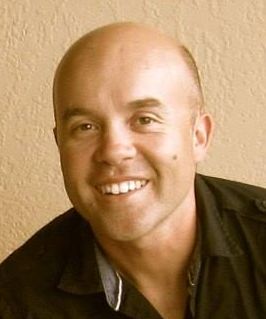
About
AI can build almost anything now — and most businesses are still thinking too small about what that means. The value is in reframing what's possible, then knowing what done actually looks like. That's what 25+ years teaches you.
Sydney  → Beijing
  → Vancouver
  → Sydney — I took the long way home. Now based back in Sydney, I work with business owners and decision-makers who need someone to cut through the noise — whether that's cloud infrastructure, security, or figuring out where AI actually fits into their operations. No jargon, no upselling. Just honest, practical advice.
My clients have spanned accounting, legal, medical, manufacturing, mechanical engineering, fashion, finance, retail, VFX, and geosciences — across Australia and Canada. That variety means I've seen a lot of different setups and challenges, which helps me spot what works and what doesn't pretty quickly.
These days my focus has shifted to where IT and AI intersect — helping businesses figure out which workflows actually benefit from automation, and which are just hype. I evaluate AI output the same way I'd evaluate a junior hire's work — does it actually solve the problem, or does it just sound like it does? That judgment call is the hard part, and it's where 25 years of seeing what actually works in production matters. I'm still across the full cloud stack (AWS, Azure, GCP, M365), but increasingly the conversations I'm having are about AI integration, not just infrastructure.
I keep a foot in two camps, on purpose. The first is the frontier. Day to day I split my time evenly between Anthropic and OpenAI: Claude and Claude Code (since its launch in February 2025) on one side, ChatGPT and Codex on the other. That's where the capability is moving fastest, and it's what most of my clients are settling on. Living in the same tools they do keeps my advice grounded. Around that sits Obsidian as a second brain and Daniel Miessler's LifeOS project (formerly PAI).
The second camp is sovereignty, and it now runs through every layer I build on. Knowledge first: for shared company brains I've settled on gbrain, from Y Combinator's Garry Tan, which keeps what a business knows in plain, git-backed files it owns outright. Client pilots are underway now. Then the agent harness, which has split in two. For autonomous work, OpenClaw (since January 2026, back when it was still called Clawdbot) and NousResearch's Hermes Agent (since v0.14.0) have gone from tinkering to production infrastructure, running inside real companies on real workflows. For interactive work, I'm testing pi, a minimal open-source harness with nothing hidden between me and the model. And now the OS: I've started running Omarchy, DHH's take on Arch Linux, because how I use AI and the operating system underneath have become hard to separate. The frontier moves daily, so owning those layers means I can take the best of it as it lands and swap the rest without getting locked in. If you're straddling the same line, always up for a chat.
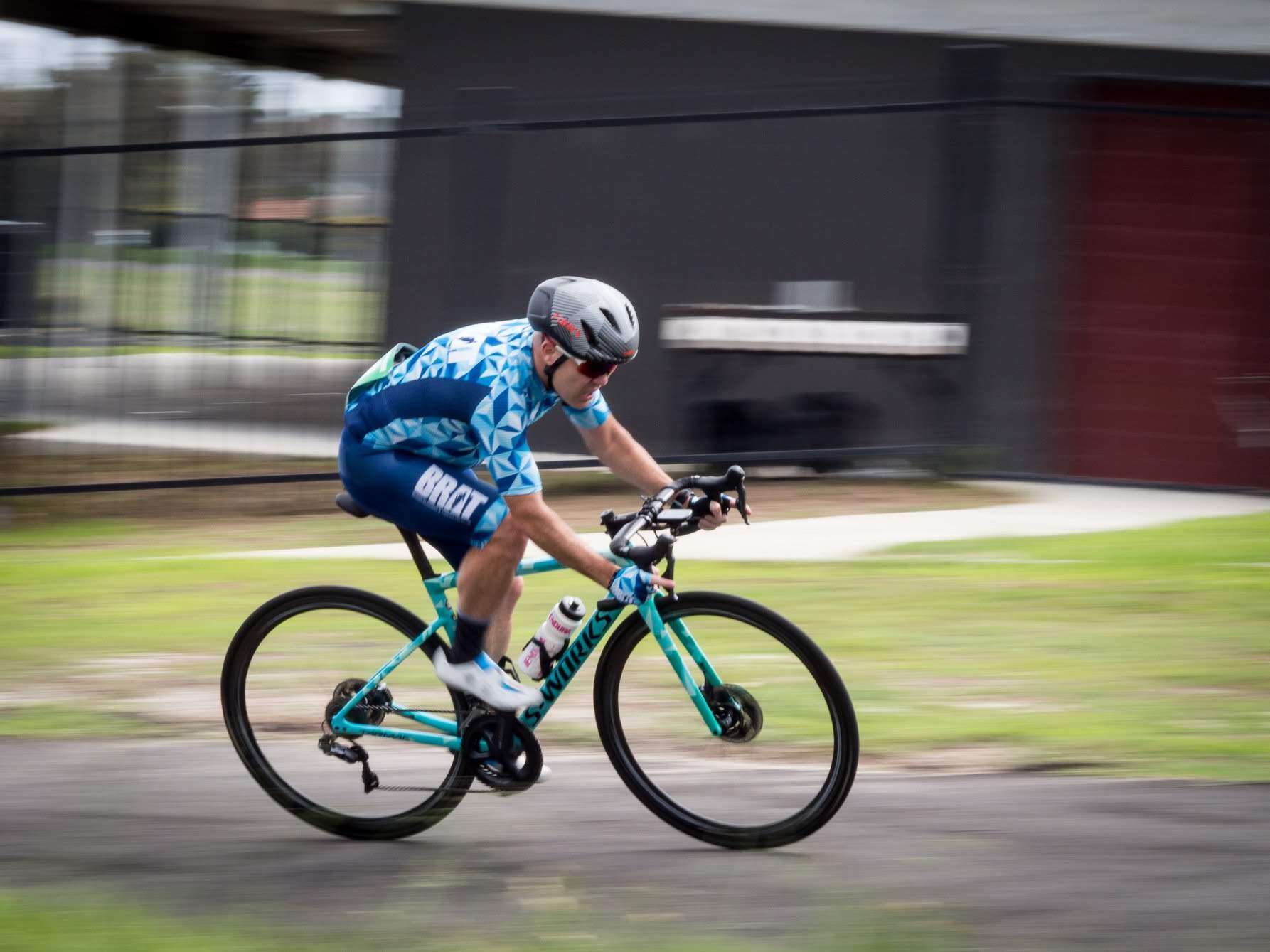

Outside of work, I volunteer with my local triathlon club, helping out with their tech. When I'm not chasing watts on the bike, I decompress by making improvised hardware techno that nobody asked for — jamming a Digitakt, DFAM and 303 into something that probably counts as noise pollution!
Beyond work
- B.R.A.T. Club— Bondi Triathlon, volunteer tech
- Paul Brunes Young Heart Foundation— supporter
- BLCU— 北京
What I Do
Chatswood Computer Consultants
Helping Aussie SMEs actually adopt AI — not just buy tools, but redesign workflows around them. From identifying what's worth automating to making it stick.
chatswoodai.com
GetCimple
Cybersecurity governance and consulting. Making compliance and security frameworks accessible for organisations.
getcimple.io